شركة التقنية
- 20 سبتمبر
- 0 تعليق
- 1080 مشاهدة

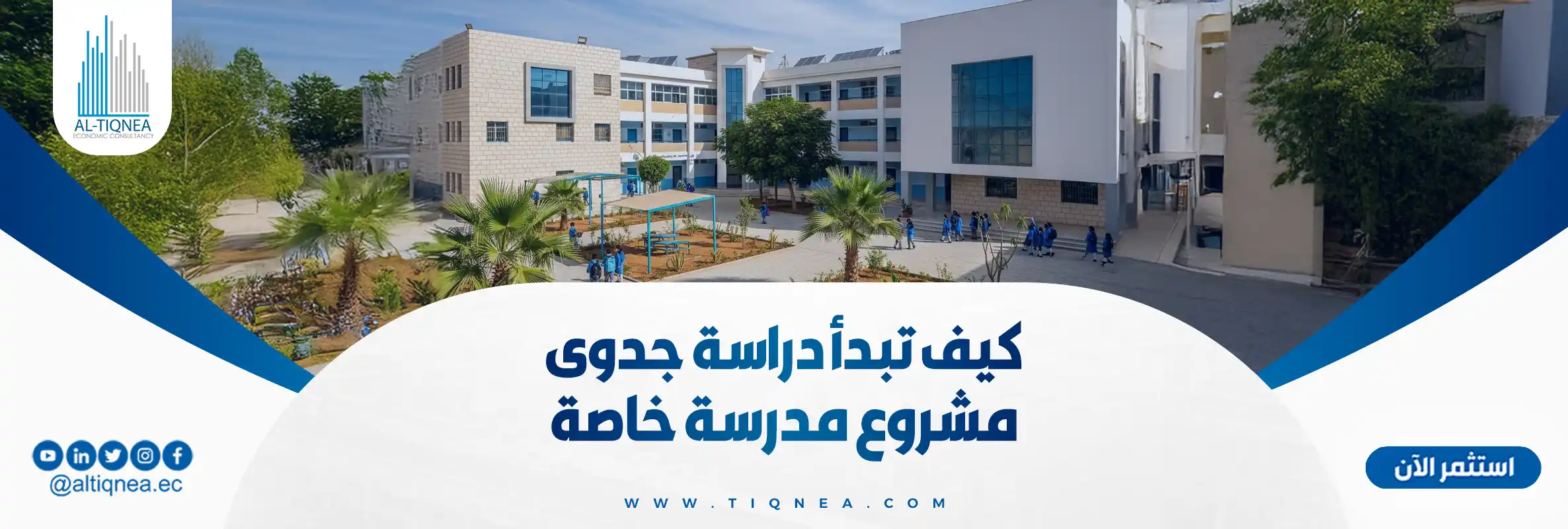
مع تزايد الطلب على التعليم الخاص وحرص أولياء الأمور على توفير بيئة تعليمية متميزة لأبنائهم، أصبح الاستثمار في مشروع مدرسة خاصة من الفرص الواعدة في القطاع التعليمي. لكن النجاح في هذا المجال لا يعتمد فقط على توفر رأس المال أو اختيار موقع جيد، بل يبدأ بخطوة أساسية لا غنى عنها، وهي إعداد دراسة جدوى دقيقة وشاملة.
فكيف تبدأ دراسة جدوى مشروع مدرسة خاصة ناجح؟
الإجابة تكمن في تحليل السوق التعليمي، وفهم احتياجات الفئة المستهدفة، وتقدير التكاليف التشغيلية والاستثمارية، إلى جانب دراسة الجوانب القانونية والتنظيمية، ووضع خطة مالية واضحة تضمن استدامة المشروع وتحقيق عائد مناسب على الاستثمار.
في هذا المقال نستعرض الخطوات الأساسية لإعداد دراسة جدوى متكاملة لمشروع مدرسة خاصة، بدايةً من الفكرة وحتى مرحلة التشغيل الفعلي، لضمان اتخاذ قرار استثماري مبني على بيانات وتحليلات دقيقة.
يمثل مشروع مدرسة خاصة أحد أبرز الاستثمارات في القطاع التعليمي، حيث يقوم على إنشاء مؤسسة تعليمية متكاملة توفر بيئة تربوية حديثة تجمع بين الجودة الأكاديمية والانضباط الإداري والتقنيات التعليمية المتطورة.
يعتمد المشروع على تجهيز فصول دراسية بمعايير حديثة، وتوفير كوادر تعليمية مؤهلة، واعتماد مناهج تعليمية متطورة تتماشى مع السياسات التعليمية المعتمدة، إلى جانب أنشطة تنموية وثقافية ورياضية تدعم بناء شخصية الطالب بشكل متوازن.
ويزداد الإقبال على المدارس الخاصة نتيجة رغبة أولياء الأمور في تقليل الكثافة داخل الفصول، وتحسين مستوى التحصيل العلمي، والحصول على متابعة تعليمية أكثر دقة. لذلك يُعد المشروع فرصة استثمارية واعدة تحقق عوائد مستقرة عند التخطيط الجيد والإدارة الاحترافية.
يُصنف مشروع المدرسة الخاصة ضمن المشروعات ذات العائد المرتفع نسبياً في مصر، مدعوماً بزيادة عدد السكان وارتفاع الطلب على خدمات تعليمية متميزة.
وتؤكد المؤشرات التعليمية حجم السوق الكبير، حيث يبلغ عدد الطلاب في مختلف المراحل التعليمية ملايين الطلاب، مع نمو ملحوظ في أعداد المدارس خلال السنوات الأخيرة، ما يعكس توسع الطلب على التعليم المنظم والمتخصص.
هذا النمو المستمر يعزز من فرص تحقيق أرباح مستقرة، خاصة مع وجود رسوم دراسية سنوية تمثل مصدر دخل منتظم وقابل للزيادة التدريجية وفقاً لمستوى الخدمات المقدمة.
لإنشاء مدرسة خاصة بنجاح، يجب اتباع مجموعة من الخطوات الأساسية:
تتفاوت التكلفة الإجمالية للمشروع حسب عدة عوامل رئيسية، منها:
وتُحدد التكلفة النهائية بناءً على حجم المدرسة وعدد المراحل التعليمية والطاقة الاستيعابية المستهدفة.
1. ابدأ بدراسة جدوى حقيقية مش شكلية
لا تعتمد على تقديرات عامة، لازم أرقام دقيقة للسوق والتكاليف والعائد المتوقع.
2. اختار الموقع بعناية
يفضل منطقة سكنية كثيفة أو جديدة (تجمعات – مدن جديدة) فيها طلب متزايد على التعليم الخاص.
3. حدد نوع المدرسة من البداية
عربي – لغات – دولي – تجريبي – STEM… لأن كل نوع له اشتراطات وتكلفة مختلفة.
4. ادرس المنافسين كويس
شوف رسومهم، كثافة الفصول، مستوى الخدمة، واعرف أنت هتتميز بإيه.
5. حدد الفئة المستهدفة بوضوح
مدرسة اقتصادية؟ متوسطة؟ High-end؟ ده بيحدد كل حاجة بعد كده.
6. التزم باشتراطات وزارة التربية والتعليم من البداية
المساحات، الملاعب، عدد الفصول، اشتراطات السلامة… أي مخالفة هتعطلك.
7. اهتم بالتصميم الهندسي التعليمي
مش مجرد مبنى… لازم توزيع ذكي للفصول والمعامل والمرافق.
8. اختار مدير مدرسة قوي
المدير هو العمود الفقري للمشروع أكاديمياً وإدارياً.
9. استثمر في المعلمين
اختيار كادر مميز أهم من أي ديكور أو تجهيزات فاخرة.
10. خطط للسيولة المالية أول سنتين
أول سنة تحديدًا بتكون ضاغطة ماليًا، فلازم يكون عندك احتياطي.
11. اعمل خطة تسويق مبكرة
ابدأ قبل الافتتاح بـ 6 شهور على الأقل.
12. قدم قيمة مضافة حقيقية
أنشطة – لغات إضافية – مهارات رقمية – متابعة أولياء الأمور.
13. استخدم نظام إدارة مدرسي إلكتروني
لتنظيم الحضور، الدرجات، التواصل مع أولياء الأمور.
14. احسب التكاليف التشغيلية بدقة
رواتب – صيانة – كهرباء – أمن – نظافة – تأمين.
15. فكر في التوسع من البداية
هل الأرض تسمح بإضافة مرحلة جديدة لاحقًا؟ التخطيط الذكي بيفرق جداً.
إجراءات الترخيص بتمر بعدة مراحل رسمية، وبتكون تحت إشراف وزارة التربية والتعليم والمديرية التعليمية التابع لها الموقع.
1. اختيار الموقع المناسب
2. تقديم طلب إنشاء مدرسة
يتم تقديم الطلب إلى:
3. تقديم المستندات الأساسية
تشمل عادة:
4. معاينة الموقع
لجنة من:
5. استيفاء اشتراطات الدفاع المدني
6. الحصول على الموافقة المبدئية
بعد استيفاء الاشتراطات.
7. استكمال التراخيص النهائية
بعد تجهيز المدرسة بالكامل وتعيين الإدارة والكادر.
8. صدور القرار الوزاري بإنشاء المدرسة
وهو الموافقة الرسمية النهائية للتشغيل.
تعمل شركة التقنية على تقديم خدمات استشارية وإدارية وتنفيذية متكاملة للمستثمرين، من خلال:
لطلب دراسة جدوى مشروعك أو تحديد مقابلة تواصل معنا الان وسيتواصل معك أحد خبرائنا في أقرب وقت.
With the growing demand for private education and parents’ increasing interest in providing a distinguished learning environment for their children, investing in a private school project has become one of the most promising opportunities in the educational sector. However, success in this field does not depend solely on capital availability or choosing a good location. It begins with an essential step that cannot be overlooked: preparing a comprehensive and accurate hookup feasibility study.
So, how do you start a successful feasibility study for a private school project?
The answer lies in analyzing the educational market, understanding the needs of the target segment, estimating operational and investment costs, studying legal and regulatory aspects, and developing a clear financial plan that ensures sustainability and an appropriate return on investment.
In this article, we review the key steps to preparing a comprehensive feasibility study for a private school project, from the initial idea to the operational stage, ensuring that investment decisions are based on accurate data and thorough analysis.
A private school project represents one of the most prominent investments in the education sector. It involves establishing a fully integrated educational institution that provides a modern learning environment combining academic excellence, administrative discipline, and advanced educational technologies.
The project relies on equipping classrooms according to modern standards, employing qualified teaching staff, adopting advanced curricula aligned with approved educational policies, and offering developmental, cultural, and sports activities that support balanced student development.
Demand for private schools continues to rise due to parents’ desire to reduce classroom density, improve academic performance, and receive more personalized academic follow-up. Therefore, this project represents a promising investment opportunity capable of generating stable returns when properly planned and professionally managed.
A private school project is considered a high-return investment in Egypt, supported by population growth and increasing demand for high-quality educational services.
Educational indicators confirm the size of the market, with millions of students enrolled across various educational stages and a noticeable increase in the number of schools in recent years. This reflects continuous growth in demand for organized and specialized education.
This sustained growth enhances the opportunity to achieve stable profits, especially given the annual tuition fees that provide a consistent and gradually increasing revenue stream depending on service quality.
Stable annual income based on tuition fees.
Continuous and growing demand due to overcrowded public schools.
Improved educational quality through smaller class sizes and modern curricula.
Gradual expansion potential by adding new educational stages or specialized programs.
Long-term stability compared to many other investment sectors.
Positive social impact by contributing to educational development.
Alignment with Egypt Vision 2030 educational development goals.
To successfully establish a private school, the following steps should be followed:
Conduct a comprehensive market study to identify the target segment and analyze competitors.
Select a strategic location in a densely populated residential area.
Design an educational building that meets safety and quality standards.
Complete licensing procedures with the relevant authorities.
Obtain official approvals from health and safety authorities.
Appoint a qualified school management team and certified teaching staff.
Equip classrooms and laboratories with modern educational tools.
Implement an effective marketing plan to attract students and parents.
The total project cost varies depending on several key factors, including:
Land purchase or rental cost.
Construction or renovation costs.
Classroom furniture and laboratory equipment.
Technological and administrative systems.
Government fees and licensing costs.
Staff salaries.
Monthly operational expenses.
Marketing and launch budget.
The final cost is determined based on school size, number of educational stages, and targeted student capacity.
(Then include the translated 15 tips in professional tone summarized for readability)
Conduct a real feasibility study based on accurate market data.
Choose the location carefully.
Define the school type from the beginning.
Analyze competitors thoroughly.
Clearly define your target segment.
Comply with Ministry of Education requirements.
Focus on smart educational building design.
Appoint a strong school principal.
Invest in qualified teachers.
Plan liquidity for the first two years.
Start marketing early.
Offer real added value.
Implement a digital school management system.
Accurately calculate operating costs.
Plan for future expansion.
Licensing is supervised by the Ministry of Education and relevant educational directorates and includes:
Selecting a compliant location.
Submitting an official application.
Providing required documents (property deed, architectural plans, criminal record, commercial registration, preliminary feasibility study).
Site inspection by official committees.
Compliance with civil defense requirements.
Obtaining preliminary approval.
Completing final licensing procedures.
Issuance of the ministerial decree authorizing operation.
Al-Tiqnea provides integrated consulting, administrative, and executive services to investors, including:
Preparing comprehensive and detailed feasibility studies.
Turn-Key project execution and delivery.
Providing the most suitable European production lines (new or used) based on accurate technical feasibility studies.
To request your project feasibility study or schedule a consultation, contact us now and one of our experts will get in touch with you shortly.
تقدّم شركة التقنية دراسات جدوى اقتصادية معتمدة ومفصّلة لمختلف القطاعات، بخبرة تتجاوز 947 دراسة ناجحة. تواصل معنا للحصول على استشارة وعرض سعر مخصّص لمشروعك.
دراسة جدوى شاملة لمصنع كرتون تعتبر دراسة جدوى شاملة لمصنع كرتون من
تيسيرات جديدة للمشروعات الصناعية في مصر أعلنت وزارة الصناعة عن تدشين حزمة
تمويل خطوط إنتاج المشروعات الصناعية تعلن شركة التقنية عن تعاون استراتيجي جديد
أهم القطاعات الصناعية للاستثمار في الإمارات 2026 بمناسبة احتفال دولة الإمارات اليوم
إستثمر الآن في 28 فرصة لصناعات واعدة وفقًا لوزارة الصناعة طرحت وزارة
حوافز وفرص استثمارية واعدة في القطاع الصناعي حوافز وفرص استثمارية واعدة في