شركة التقنية
- 8 January
- 0 Comment
- 134 مشاهدة


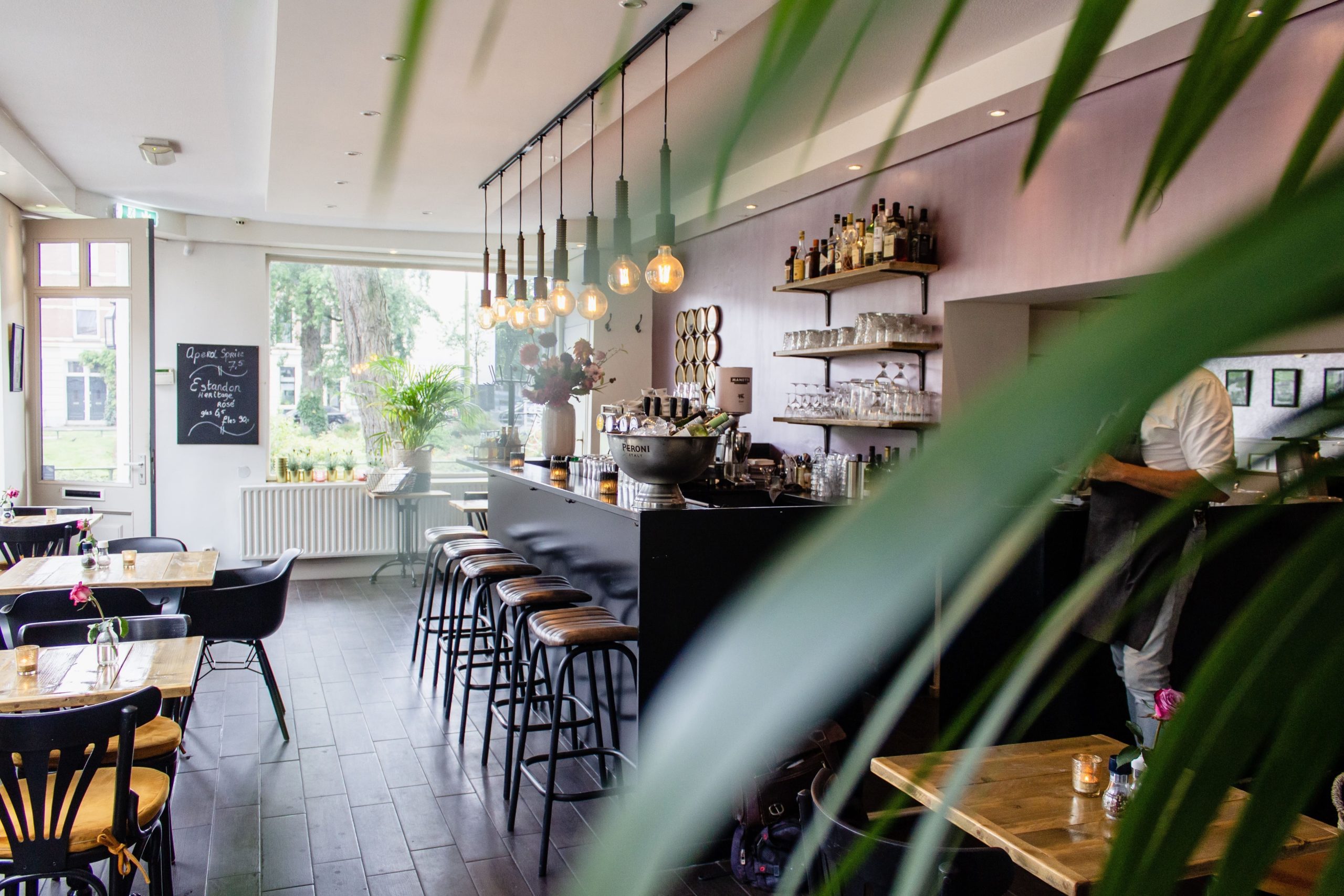
With the continuous growth of the café sector and the increasing demand for cafés as daily destinations for meetings, work, and leisure, investing in a café project has become one of the most promising opportunities with attractive returns provided that it is based on proper planning and sound execution from the very beginning.
A feasibility study plays a vital role in transforming a café idea from a simple concept into a successful project built on clear technical, financial, and marketing foundations.
This study aims to provide a comprehensive vision that ensures selecting the right location, defining the appropriate café concept, and developing an effective operational and marketing plan—ultimately achieving the highest possible return on investment while minimizing potential risks.
Yes, a café project is considered one of the high-profit service businesses when implemented strategically, especially with the growing popularity of cafés as spaces for work, entertainment, and social gatherings. However, profitability does not depend on the idea alone; it is influenced by several key factors, including:
Location: Choosing a vibrant location near residential areas, commercial centers, or universities significantly increases customer traffic and sales.
Type of Café: Traditional cafés, specialty coffee shops, lounges, or takeaway cafés—each model targets a different audience and offers varying profit margins.
Product and Service Quality: Beverage quality, service speed, and overall customer experience play a critical role in repeat visits.
Management and Operations: Cost control, inventory management, and workforce organization directly impact net profit.
Pricing and Marketing: Competitive pricing aligned with the target market, supported by an effective marketing strategy, increases sales turnover.
This is where a feasibility study becomes essential in estimating expected profits, identifying the break-even point, and ensuring a strong return on investment.
Launching a successful café requires meeting several essential requirements to ensure sustainability and achieve business objectives, including:
A comprehensive feasibility study covering market, technical, and financial aspects.
A suitable location with an area that matches the chosen café concept.
An attractive interior design that reflects the café’s brand identity and enhances customer experience.
High-quality equipment and supplies, such as coffee machines, refrigerators, and preparation tools.
A carefully designed product menu that meets the preferences of the target audience.
Well-trained staff capable of delivering professional service.
A clear operational and marketing plan to attract customers and build brand loyalty.
Licensing is a crucial step in establishing a café project, ensuring legal operation and avoiding future obstacles. Required licenses typically include:
A commercial registration and tax card to legally operate the business.
An operating license from the local municipality or relevant authority.
Health authority approvals and compliance with food safety and hygiene standards.
Civil defense approval related to fire safety and emergency measures.
Social insurance registration for employees.
Some requirements may vary depending on the café’s location and concept; therefore, seeking professional consultancy helps streamline procedures and accelerate implementation.
The cost of establishing a café varies based on several factors, and there is no fixed amount. Costs are determined by:
Café location and size.
Level of finishing and interior design.
Type and quality of equipment.
Number of employees and initial operating expenses.
Marketing budget for the launch phase.
In general, costs are divided into:
Capital Costs: Site preparation, equipment, and décor.
Operating Costs: Rent, salaries, raw materials, and utilities.
Through the feasibility studies provided by Al-Tiqnea, the actual project cost is determined accurately, along with revenue projections and net profit estimates—helping investors choose the optimal investment size and achieve maximum returns.
At Al-Tiqnea, we pave the way for smart and secure investment by providing end-to-end project solutions, including:
Studying the project idea and developing it into an investment-ready concept.
Conducting a comprehensive analysis of the target market and its requirements.
Identifying the most suitable land or location for the project.
Supplying and operating the most appropriate production and equipment lines.
Providing the required workforce and delivering the project fully ready for operation, based on a detailed feasibility study and a complete business plan.
Contact us today and start your project with confidence, clarity, and a vision for a more successful future.
Comprehensive Feasibility Study for a Carton Factory The carton industry is one
New Incentives for Industrial Projects in Egypt The Ministry of Industry announced
Production Line Financing for Industrial Projects Al-Tiqnea Company announces a new strategic
Discover the Most Promising Industrial Sectors for Investment in the UAE On
إستثمر الآن في 28 فرصة لصناعات واعدة وفقًا لوزارة الصناعة طرحت وزارة
حوافز وفرص استثمارية واعدة في القطاع الصناعي حوافز وفرص استثمارية واعدة في